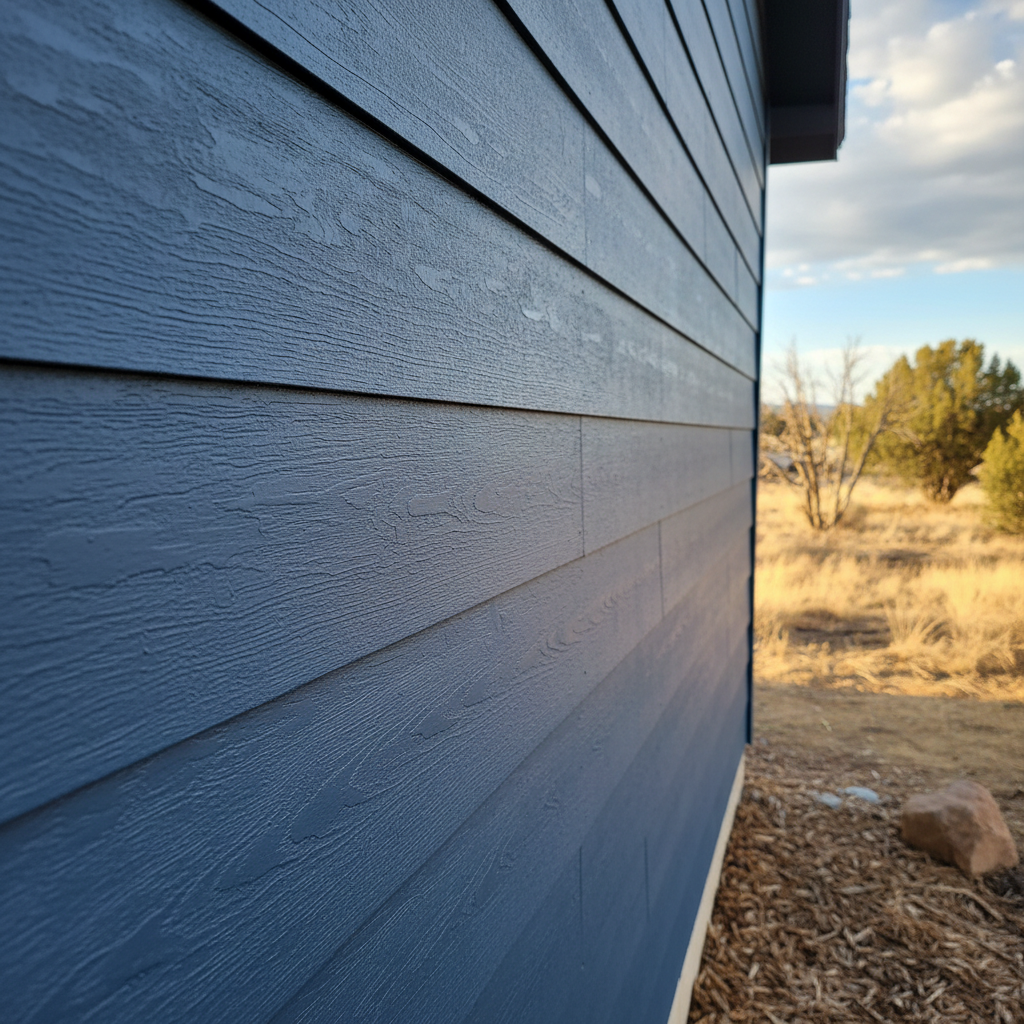
So, you're looking at your house and thinking, "It's time for new siding." Maybe it's peeling, cracked, or just plain old and tired. I see it all the time here in West Valley City, especially with some of those older homes around Redwood Road that still have original aluminum or wood siding. It's a big project, no doubt, but knowing what's involved can make it a lot less daunting. Let's break down what you need to know before, during, and after a siding replacement.
Before You Start: Planning & Prep
This is where you can do a lot of the heavy lifting yourself, even if you're not swinging a hammer. The more you plan, the smoother everything else goes.
- Assess the Damage: Walk around your house. What's the real problem? Is it just cosmetic, or do you have rot, mold, or insect damage? If you've got serious structural issues, that's a red flag; you'll need a pro for sure. Look for soft spots, especially near windows, doors, and the foundation.
- Research Materials: There are tons of options out there: vinyl, fiber cement (like Hardie Board), wood, metal, composite. Each one has its own pros and cons for cost, how long it lasts, how much upkeep it needs, and how it looks. Think about our Utah weather – those hot summers and freezing winters really put siding to the test. Fiber cement, for example, holds up great to our temperature swings, and it's a popular choice for a good reason.
- Budgeting: Get a realistic idea of what you're willing to spend. Siding replacement isn't cheap, but it's a long-term investment. Don't just look at the upfront cost; consider maintenance and longevity too.
- Permits: This is a big one. Most major exterior renovations in West Valley City require a building permit. You'll need to check with the city's planning department. If you hire a reputable contractor like Aim High Siding Company, we'll handle this for you, but if you're DIYing, it's on you. Don't skip it; fines are no fun.
- DIY vs. Pro: Honestly, many homeowners can tackle removing old siding. It's labor-intensive, but not highly skilled. You'll need pry bars, hammers, and a good dumpster. Installing new siding, especially fiber cement or anything that requires precise cuts and sealing, is usually best left to the pros. It's about more than just making it look good; it's about proper installation to protect your home from water damage and ensure it lasts.
During the Project: What to Expect
Whether you're doing some of the work or watching the pros, here's what's happening.
- Old Siding Removal: If you're doing this yourself, be prepared for a dusty, dirty job. Wear gloves, safety glasses, and a dust mask. Watch out for nails and sharp edges. Once the old siding is off, you'll see what's underneath. This is your chance to inspect the sheathing for any hidden damage. If you find rot or mold, that absolutely needs to be addressed before new siding goes on.
- Sheathing & House Wrap: A good contractor will inspect your existing sheathing and replace any damaged sections. Next, they'll install a house wrap, which is a crucial moisture barrier. Don't skimp on this step. It's your home's last line of defense against water infiltration.
- Installation: This is where the skill comes in. Siding needs to be installed correctly, with proper flashing around windows and doors, and adequate expansion gaps for temperature changes. Incorrect installation can lead to water leaks, buckling, and voided warranties. This is definitely a job for experienced installers. We've seen too many DIY attempts go wrong, costing homeowners more in repairs than they would've paid for professional installation in the first place.
- Site Management: If you've got a crew working, expect some noise and debris. A good contractor will keep the site tidy and clean up daily. Make sure you discuss their cleanup plan upfront.
After the Project: Enjoying Your New Siding
Once the last piece is up and the cleanup is done, you're not totally off the hook, but it's mostly about enjoying your updated home.
- Final Inspection: Walk around your house with your contractor. Look at everything. Are the seams tight? Is the flashing correct? Are there any gaps? Don't be afraid to point out anything that doesn't look right.
- Maintenance: Even the most durable siding needs a little love. Most materials just need occasional cleaning with a soft brush and mild detergent. Keep an eye out for any dings or cracks, especially after a big hailstorm, and address them promptly to prevent bigger issues. Check the caulking around windows and doors every few years; it's a common failure point.
- Warranty: Make sure you get all the warranty information for both the siding material and the installation. Keep it in a safe place. This is your protection if something goes wrong down the line.
Replacing your siding is a big undertaking, but it dramatically improves your home's curb appeal, energy efficiency, and protection. You can save some money on the demolition if you're handy, but for the actual installation, I always recommend bringing in the pros. It's not just about aesthetics; it's about the long-term health of your home. If you're in West Valley City and have questions, don't hesitate to give us a call at Aim High Siding Company. We're happy to talk you through it.