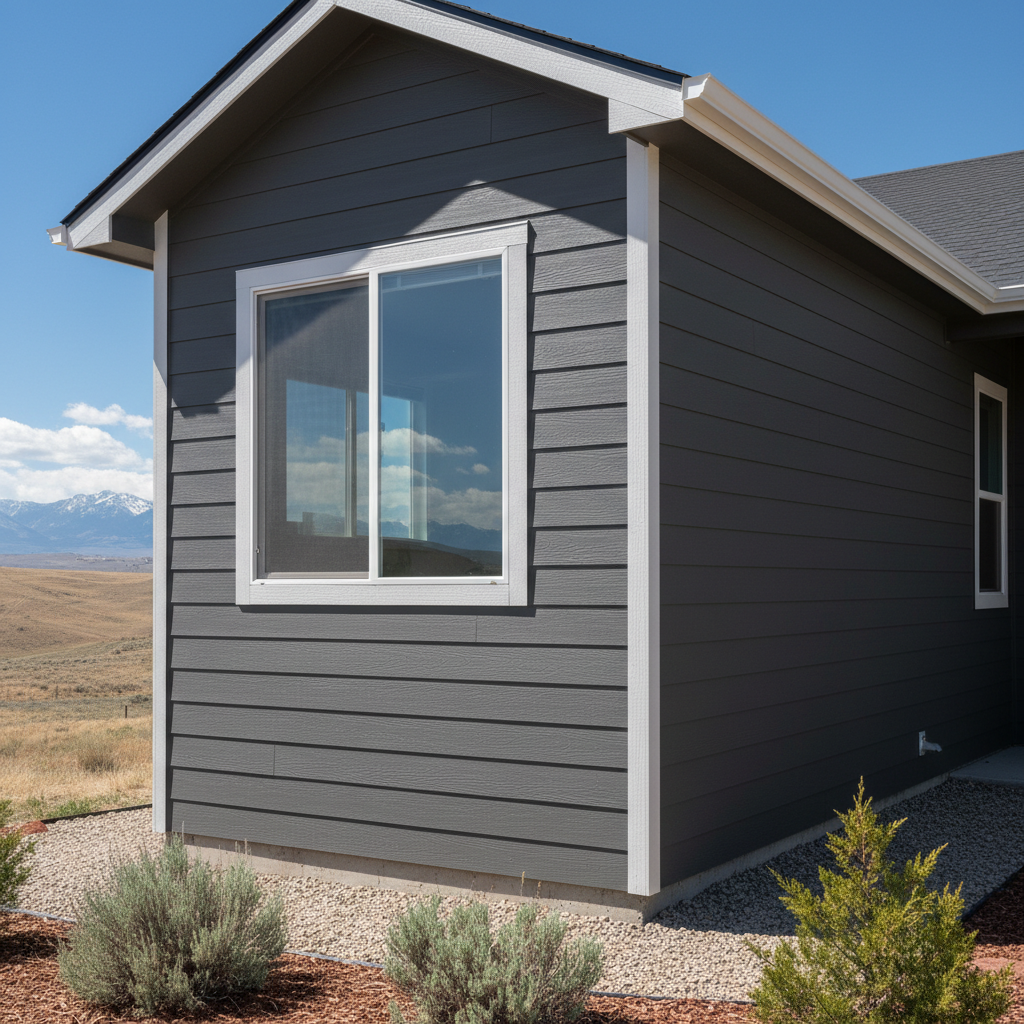
Alright, let's talk about your home's siding. It's not just there to look pretty, though that's definitely a big part of its job. Your siding is the first line of defense against everything Mother Nature throws at us here in West Valley City – from those scorching summer sun rays to the heavy snows and freezing temperatures we get in winter. Ignoring it? Well, that's like ignoring a leaky roof; it'll only get worse and cost you more in the long run. I've seen it countless times.
Why Even Bother with Regular Siding Inspections?
Look, I get it. You've got a busy life. But a quick, regular check of your siding can seriously extend its lifespan and protect your biggest investment. Think of it as preventative medicine for your house. If you catch small issues early, they're usually cheap and easy to fix. Let them fester, though, and you're looking at potential water damage, mold, higher energy bills, and eventually, a full-blown siding replacement. Nobody wants that, especially when you could have avoided it with just a little attention.
What Does Regular Maintenance Actually Look Like?
It's not rocket science, I promise. You can do most of this yourself with a ladder and a keen eye. I recommend doing a thorough check twice a year: once in the spring after the snow melts, and once in the fall before winter really sets in. Here's what you should be doing:
- Clean it up: Dirt, grime, mildew, and algae don't just look bad; they can actually hold moisture right against your siding. A good wash with a soft brush and a garden hose (or a low-pressure power washer, carefully, of course!) can make a huge difference. Pay extra attention to shady spots or areas where sprinklers hit the house.
- Trim those bushes: Keep trees and shrubs trimmed back at least six inches, ideally a foot, from your siding. They can scratch it, hold moisture, and provide a highway for pests.
- Check your gutters: Make sure they're clear and draining properly. Overflowing gutters can dump water directly onto your siding, leading to rot and staining.
- Sealants and caulking: Look at all the seams around windows, doors, and where different materials meet. If you see cracks or gaps, re-caulk them. This is crucial for keeping water out.
- Inspect for damage: Walk around your house, really looking at every section.
Warning Signs You Shouldn't Just Ignore
Your siding usually gives you clues when something's wrong. Don't brush these off:
- Cracks, chips, or holes: Even small ones can let water in.
- Loose or warped panels: This is a big one. If siding panels are buckling, bulging, or just hanging loose, water is probably getting behind them. This is especially common in older vinyl siding that's seen a lot of our temperature swings.
- Fading or chalking: While some fading is normal over time, excessive fading or a chalky residue when you touch it can mean the siding's protective layer is breaking down.
- Mold, mildew, or rot: Any signs of organic growth, especially black or green spots, mean there's too much moisture. Rot is a serious problem and needs immediate attention.
- Bubbling or peeling paint: If you have painted siding, this is a clear sign that moisture is trapped underneath.
- Pest infestations: Small holes or nests could mean insects or rodents are making a home behind your siding, which can lead to structural damage.
When to Call a Professional (Like Us!)
You can handle a lot of the basic maintenance and minor fixes yourself, but there are times when you really need to bring in the pros. Don't hesitate to call Aim High Siding Company if you notice:
- Widespread damage: If you have multiple sections of siding that are cracked, warped, or rotted, it's probably beyond a DIY patch job.
- Water intrusion: If you're seeing signs of water damage inside your home (like stains on interior walls near the exterior walls), your siding has failed, and you need an expert to find the source and fix it.
- Difficult-to-reach areas: Some parts of your home might be too high or tricky to access safely. Don't risk a fall.
- Suspected structural issues: If you think the damage goes deeper than just the siding itself, get someone out there.
- You're just not sure: Honestly, if you're looking at something and you're not confident about what you're seeing or how to fix it, give us a call. We're happy to come out, take a look, and give you an honest assessment. We've been working on homes all over West Valley, from the older neighborhoods near Redwood Road to the newer builds out by the Mountain View Corridor, and we know what to look for.
Taking care of your siding isn't just about curb appeal; it's about protecting your home's integrity and your wallet. A little effort now saves a lot of headaches later. Stay vigilant, West Valley!