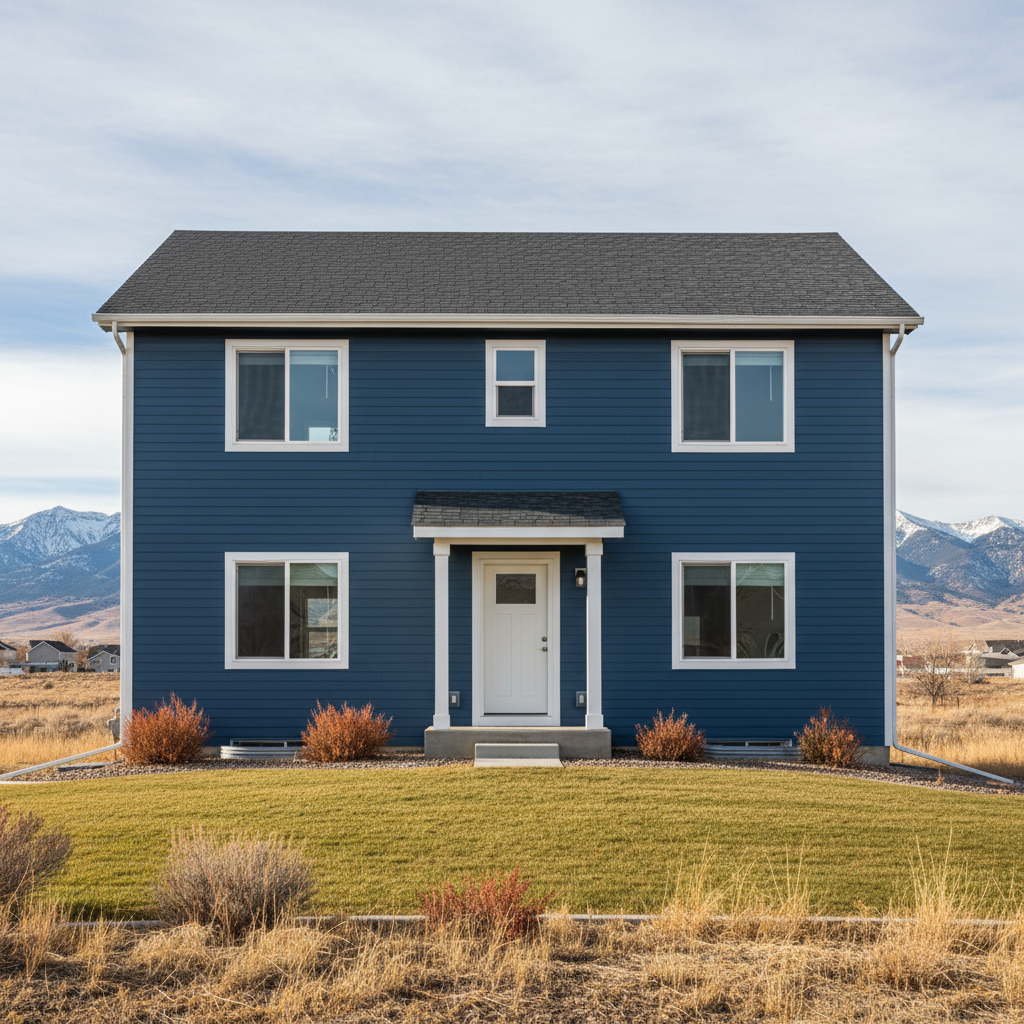
When's the best time to rip off your old siding and put up new stuff? It's a question I get all the time here in West Valley City, and honestly, it's not as simple as picking a warm day. Our Utah weather, with its crazy swings, really dictates when it's smart to tackle a big project like siding removal.
Why Timing Your Siding Removal Matters Here
You might think, 'just get it done!' But taking off your home's protective layer, even for a short time, exposes it to the elements. And around here, those elements can be pretty unforgiving. We're not just talking about comfort for the crew; we're talking about protecting your home's structure from moisture, temperature extremes, and even dust.
Think about our springs – one day it's sunny and 60 degrees, the next it's snowing. Or our summers, where the afternoon sun can bake everything. Then there's the inversion in winter. All these things play a role in when we can safely and efficiently remove your old siding without risking damage to what's underneath.
The Best Times: Spring & Fall (Usually)
Generally, I tell folks that late spring and early fall are your sweet spots for siding removal and installation. Why?
- Moderate Temperatures: This is huge. When it's too hot, materials can expand, and it's just plain brutal for the crew. Too cold, and certain sealants and adhesives won't cure properly. Plus, working with cold materials can make them brittle.
- Less Precipitation: While we can get spring showers or early fall snow, these seasons typically have fewer prolonged heavy storms compared to winter, and less intense heat than summer. You really don't want your home's sheathing exposed to a downpour, do you?
- Predictability (relatively speaking): Compared to the dead of winter or the peak of summer, these seasons offer a bit more consistency in weather patterns, which helps us schedule and stick to timelines.
Now, I say 'usually' because, let's be real, Utah weather loves to surprise us. We've had April snowstorms and 80-degree days in October. So, while these are ideal windows, flexibility is key.
When to Be Wary: Summer Heat & Winter Cold
Can we remove siding in the summer or winter? Sure, we can. But there are more challenges you should be aware of.
Summer Heat: Those 90+ degree days we get in July and August? They're tough. Not just on the crew, but on the materials. Vinyl siding, for example, can become very pliable and harder to work with in extreme heat. We also have to be extra careful about dust and debris, especially in neighborhoods like those near the Valley Fair Mall, where homes are a bit closer together and dust can settle on everything.
Winter Cold: This is probably the trickiest. Freezing temperatures make materials brittle and hard to cut. Adhesives and caulks don't perform well, which is critical for a watertight seal. Plus, working on icy surfaces is a safety hazard. If we're doing a job in winter, we're watching the forecast like hawks and often have to put in temporary protections much more aggressively.
Protecting Your Investment Year-Round
Even after your new siding is up, your job isn't over. You've made a big investment, and you want it to last. Here's what I recommend:
- Regular Inspections: I tell all my West Valley City clients to do a quick walk-around your home at least twice a year – once in spring after the snow melts and once in the fall before winter hits. Look for any loose panels, cracks, or signs of moisture. Catching small issues early prevents big problems.
- Keep it Clean: Our dust and pollen here can really build up. A gentle wash with a hose and a soft brush once a year can do wonders. Don't use a super high-pressure washer unless you know what you're doing; you can force water behind the siding.
- Mind Your Gutters: Clogged gutters are a siding's worst enemy. They can cause water to overflow and run down your siding, leading to staining, rot, or even ice dams in winter. Keep them clear!
- Trim Your Landscaping: Bushes and trees too close to your siding can trap moisture, rub against the material, and provide pathways for pests. Give your siding some breathing room.
Ultimately, choosing the right time for your siding removal and installation project is about balancing efficiency, safety, and protecting your home. If you're thinking about new siding, give us a call at Aim High Siding Company. We can talk through the best plan for your specific home and our unpredictable Utah weather.