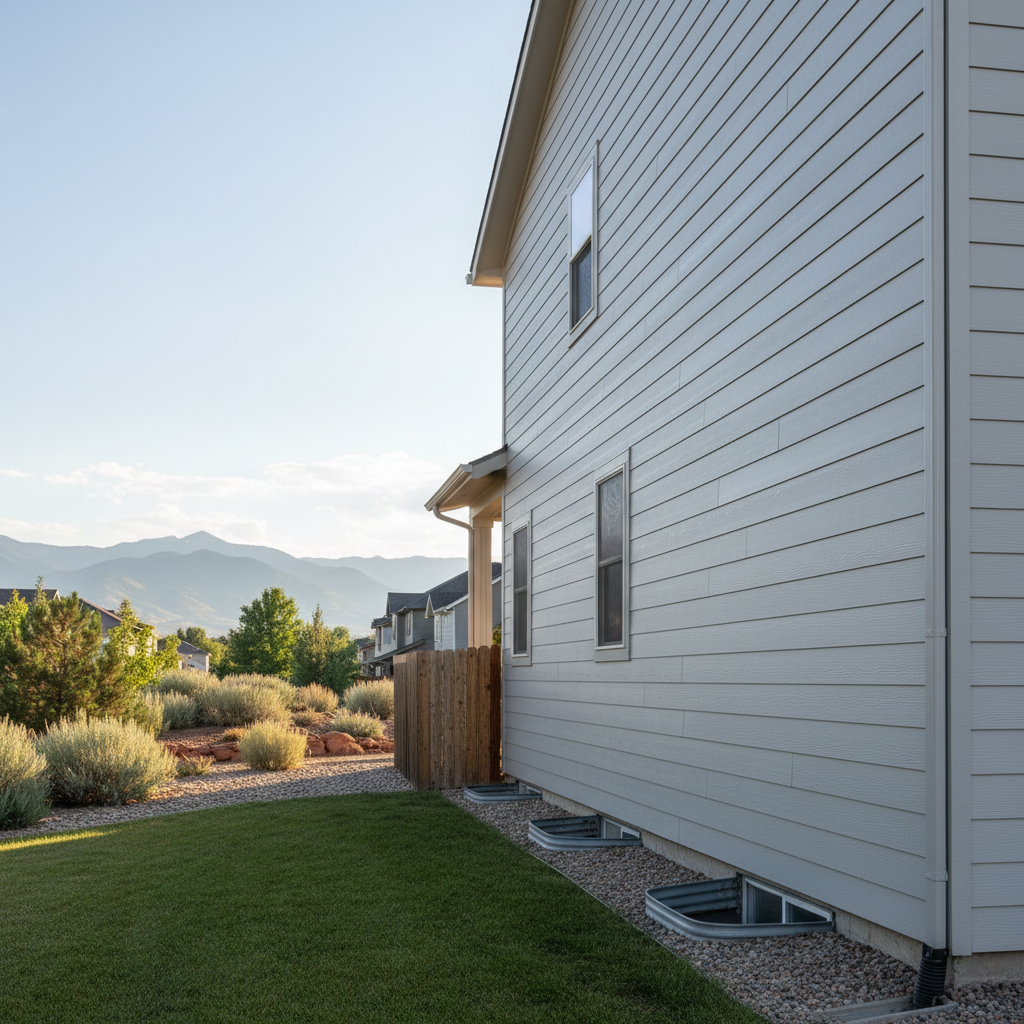
Alright, let's just get right to it. You've put cement siding on your West Valley City home, and that's a smart choice. It's tough, looks good, and really gives you a lot for your money. But "tough" doesn't mean "maintenance-free." Nothing is, really. If you want that siding to last as long as it's built to – we're talking decades here – you'll need to put in a little effort. And honestly, it's not much, especially compared to other types of siding.
Making Your Cement Siding Last: The Big Picture
The most important thing you can do to help your cement siding last is pretty straightforward: keep it clean and keep it dry. Sounds obvious, right? But you'd be surprised how many people miss this. Our weather here in West Valley City, with those hot, dry summers and then the snowy, wet winters, can really put siding through a lot. That constant expanding and shrinking, plus all the moisture, means you can't just install it and forget about it.
First off, think about your landscaping. Are bushes or trees rubbing against the siding? They'll scratch the paint, trap moisture, and invite pests. Keep them trimmed back at least 6 to 12 inches. Also, make sure your sprinklers aren't constantly soaking your siding. That's a sure way to encourage mold, mildew, and paint that fails too soon. I've seen plenty of homes in the Hunter or Granger areas where sprinklers are just blasting the side of the house every single morning. Seriously, adjust those heads!
Good gutters and downspouts are super important too. They're there to push water away from your foundation and siding. If they're clogged or broken, water's just going to pour down your walls, which is exactly what you don't want. Clean them out twice a year, especially after the fall leaves drop and before the spring rains really start.
Regular Maintenance: Your Siding's Annual Check-Up
You don't need to be a siding expert to do a quick check every year. Here's what I tell my customers:
- Wash it down: Once a year, usually in the spring after the worst of winter is over, give your siding a good cleaning. A soft brush, a garden hose, and a mild detergent (like dish soap) are usually all you need. Work from the top down. You *can* use a pressure washer, but be super careful. Keep the nozzle at least 18 inches away and use a wide-angle tip (like a 40-degree one). Too much pressure can damage the finish or even force water behind the siding, and that's a whole new headache.
- Check the caulk: Look at all the joints, around windows, doors, and where the siding meets trim. Caulk dries out and cracks over time, you know? If you spot any gaps or cracks, scrape out the old stuff and put in a fresh bead of high-quality exterior caulk. This is your main defense against moisture.
- Inspect the paint: Cement siding comes pre-primed and painted, but the paint won't last forever. Look for peeling, chipping, or fading. If you catch it early, you might just need a touch-up. If it's widespread, it could be time for a full repaint. Good paint protects the siding itself.
- Look for mold/mildew: Especially on the shaded sides of the house or areas that don't get much sun. A mix of bleach and water (1 part bleach to 3 parts water) can usually clean it up, but rinse thoroughly afterward.
Warning Signs: When Something's Not Right
Your siding will usually tell you when it's not happy. You just need to know what to look for:
- Cracks: Small hairline cracks are sometimes normal with temperature changes, but anything wider than a credit card's thickness, especially if it's growing, is a red flag. It could mean moisture is getting in or even that the house is shifting a bit.
- Swelling or bulging: This is a big deal. Cement siding isn't supposed to swell. If you see areas that look puffy or are pushing out, it almost certainly means water is getting behind the boards. This needs attention fast.
- Discoloration or staining: Beyond just regular dirt, dark streaks or splotches could mean mold, mildew, or even rust from fasteners. Persistent water stains often point to a gutter or flashing problem.
- Loose or missing boards: If a board is flapping in the wind or has fallen off, well, that's an obvious problem. It leaves your home exposed.
- Pest damage: While cement siding isn't something pests eat, they can still get behind it if there are gaps. Look for nests, holes, or other signs of critters.
When to Call a Pro
You can handle a lot of the basic maintenance yourself, but there are times when you really need to bring in someone who knows what they're doing. Don't try to DIY everything, especially if you're not comfortable on a ladder or don't really know what you're looking at.
You should definitely call a professional if:
- You see significant cracks or swelling. This often means removing and replacing sections of siding, and you want that done right to keep the weather seal intact.
- There's widespread paint failure, or you're ready for a full repaint. A professional painter will know how to properly prep cement siding and use the right kind of paint for our climate.
- You suspect water damage behind the siding. This could be a bigger issue than just the siding itself, possibly involving the sheathing or framing.
- You're not comfortable with heights or don't have the right gear to safely inspect and clean higher sections of your home.
- You've got a warranty issue. If your siding is still under warranty and you're seeing problems, a professional assessment can help you figure out what to do.
At Aim High Siding Company, we've installed and repaired a ton of cement siding all over West Valley City. We know what works and what doesn't in our unique environment. If you're seeing any of those warning signs or just want a professional to give your siding a once-over, don't hesitate to give us a call. A little proactive maintenance goes a long way in protecting your investment and keeping your home looking sharp for years to come.